Nov 7, 2025 | How-To & Education
Introduction to Water chemistry for brewers Water chemistry is arguably more important when all grain mashing than it is for extract brewers. Extract brewers may need to make adjustments to unsuitable water, or even “build” water chemistry from scratch, to...
Nov 7, 2025 | How-To & Education
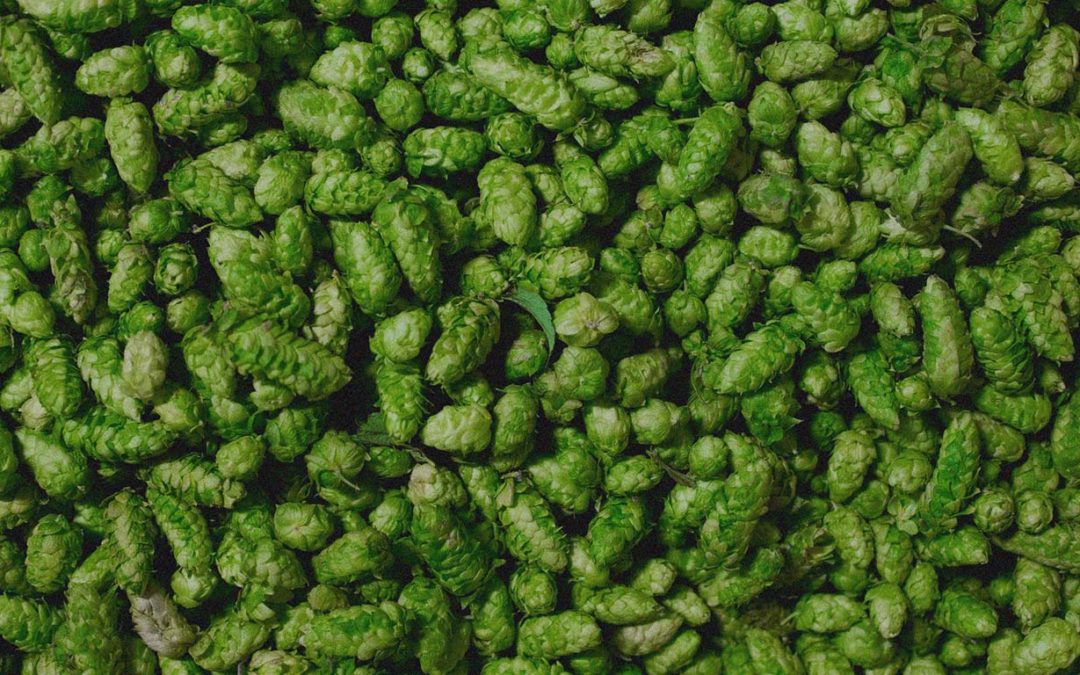
How Do Hops Work? Bittering Hops One of the main uses of hops is for bittering. Bittering is used in beer to balance the sweetness of the malt. It also has preservative characteristics. Hops are the flower cones of a climbing bine related to the cannabis family. The...

Nov 5, 2025 | How-To & Education
The majority of stale beer flavours are formed by chemical reactions classified as “oxidation.” As its name suggests, oxygen can be involved, although other chemicals can act as oxidizers. (Geek fact: elements and compounds that take electrons from others are called...
Nov 4, 2025 | How-To & Education
MANY home brewers leap into beer – making with pints of enthusiasm, progressing from ‘kit and kilo’ (a can plus a bag of sugar) to ‘kits and bits’ (specialty grain and hops). They soon get a feel for the ingredients available but generally don’t develop an...
Nov 1, 2025 | Uncategorized
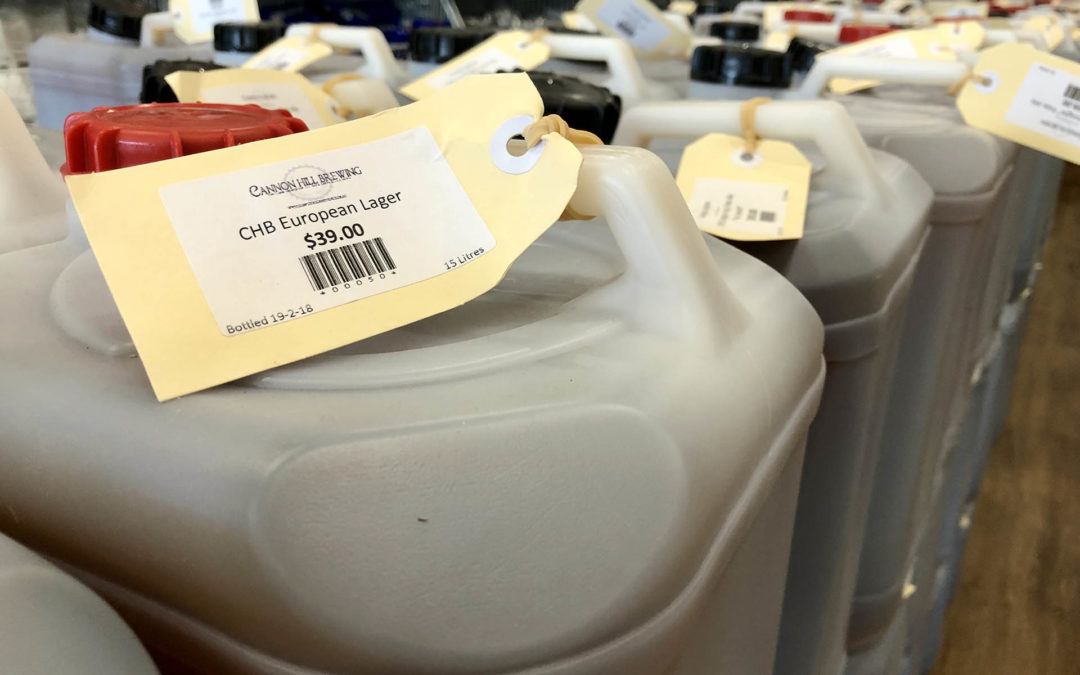
It’s August! And we’ve been working on some very special fresh worts to help usher us into the coming months. It’s time to start thinking about what beers we want to put down as we come into the warmer months. While at the moment, it may seem a...
Oct 24, 2025 | How-To & Education
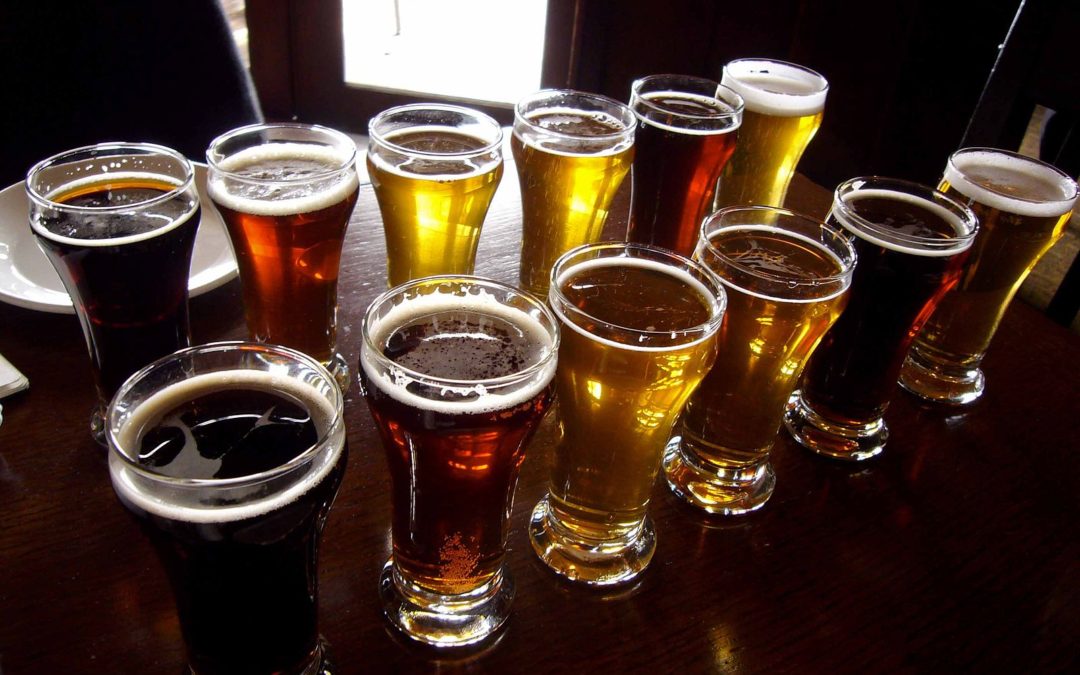
What is beer exactly? The staple ingredients from which most beers are produced are Malted Barley, Water, Hops, and Yeast. The German purity law decreed that beer must be made from these materials ALONE, and many of the world greatest beers are still made according to...